


Why Sleep Should Be Your #1 Priority for Brain Health
Discover how prioritizing sleep can transform your brain health and boost cognitive performance through simple, science-backed strategies.

The Wake-Up Call: Sleep as Priority One
Many people recovering from cognitive challenges focus on supplements and therapy, only to find progress frustratingly slow. During sleep, our brains undergo essential maintenance:
• Glymphatic system activation - Brain waste removal operates most efficiently during deep sleep
• Memory consolidation - Critical information processing occurs during specific sleep stages
• Neuroplasticity enhancement - Sleep promotes new neural connections essential for recovery
• Inflammation reduction - Quality sleep reduces neuroinflammation that impedes healing
Digital Overload: The Hidden Cognitive Killer
Our always-connected world sabotages brain health. Heavy media multitasking directly links to:
• Shortened attention spans
• Increased distractibility
• Weakened working memory
• Elevated stress responses
When poor sleep combines with chronic digital stress, cognitive decline accelerates. This makes "digital hygiene" crucial for brain health.
Essential Digital Hygiene Practices
Immediate Actions:
• Turn off non-essential notifications
• No phones in bed
• 30 minutes daily offline activities
• Avoid screens 1-2 hours before bedtime
Nature-First Biohacking: Simple Tools, Powerful Results
Focus on these fundamental practices first. Then introduce tech devices that can help.
Light Optimization Morning light exposure within the first hour of waking regulates circadian rhythm. Spend 10-15 minutes outdoors without sunglasses.
Movement Integration
• Morning stretching
• Walking meetings
• Post-meal walks
• Take stairs instead of elevators
Sleep Hygiene Mastery • Consistent sleep-wake times • Relaxing bedtime routine • Bedroom temperature 65-68°F • Complete darkness
Focus on Three Key Metrics
Avoid overwhelm by tracking only:
Total sleep time - 7-9 hours nightly
Daily movement - Steps or active minutes
Mood/energy - Simple 1-10 daily rating
Exercise: Your Brain's Best Friend
Physical activity provides profound brain benefits:
• Increased BDNF production supporting neuron growth
• Enhanced blood flow delivering oxygen to brain tissue
• Stress hormone regulation
• Mood stabilization.
Start Small:
• 10-minute daily walks
• Basic bodyweight exercises
• Gentle stretching
• Dancing to music
Strategic Sleep Enhancement Tools
Once you've established these foundational practices, targeted tools can amplify your results:
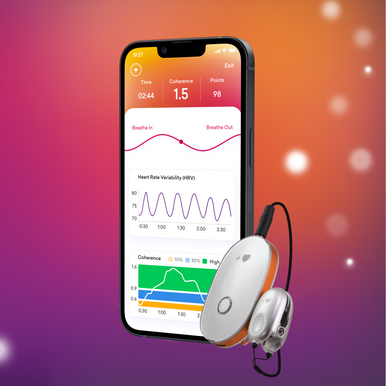
HeartMath Inner Balance Coherence Plus. (Spring Sale 20% Off) This isn't just an HRV sensor—it's a tool for upgrading your biology. In just minutes a day, it helps you shift into heart-brain coherence, a high-performance state linked to lower stress, better health, and sharper thinking. The real-time biofeedback trains your nervous system to shift from the sympathetic "fight or flight" state into the parasympathetic "rest and digest" mode that's essential for quality sleep. By achieving coherence before bed, you're literally teaching your body how to prepare for restorative sleep.

Apothekary's WineDown Unwind naturally with this clinically-studied, red wine-inspired liquid herbal supplement. The synergistic blend features L-theanine (which promotes relaxation without drowsiness), California poppy (a gentle nervous system relaxant), and tart cherry (providing natural melatonin precursors). This combination helps your body transition into sleep mode naturally, creating the calm mental state necessary for deep, restorative sleep—without the sleep-disrupting effects of alcohol.
Conclusion
Prioritizing sleep isn't just about rest—it's recognizing that quality sleep serves as the foundation for all healing efforts. Simple, nature-aligned practices like proper light exposure, regular movement, and digital hygiene create an environment where your brain can perform essential recovery work.
Better brain health doesn't require expensive equipment or complex protocols. It starts with honoring your body's natural rhythms and giving your brain the restorative sleep it needs to heal and thrive. Strategic tools like coherence training and natural sleep support can enhance these foundations, but they work best when built upon solid sleep hygiene practices.
Ready to transform your brain health through better sleep? Start tonight—put your phone in another room or read for 10 minutes before bed. Then consider how tools that support your nervous system's natural transition to rest might amplify your results.
Always talk with your doctor about your individual situation. These statements have not been evaluated by the Food and Drug Administration. These products are not intended to diagnose, treat, cure, or prevent any disease


Comments